
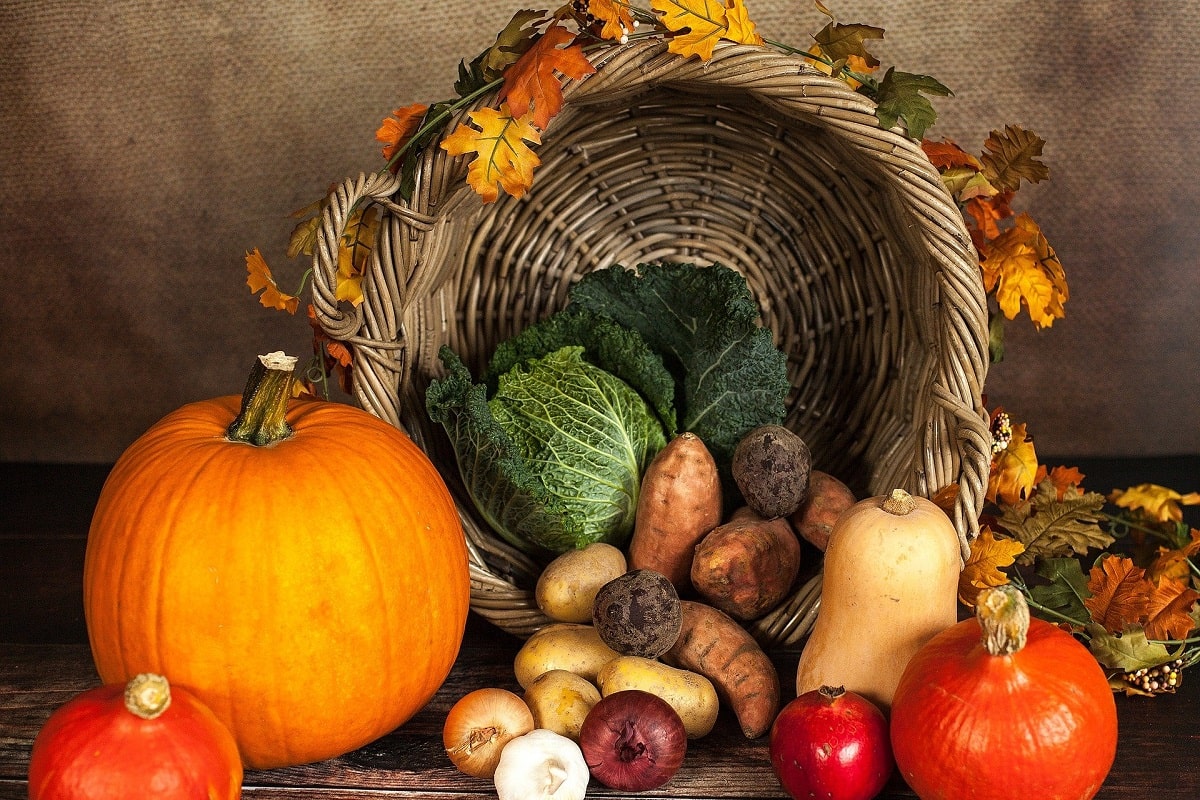
How to change your diet for autumn? Vitamins from nature.
Autumn is a good time of year to make changes to our diet and start eating regularly and healthily. Market stalls are brimming with fresh fruit and vegetables, the weather remains conducive to outdoor activities, and the frequency of trips, which often disrupt our dietary resolutions, is usually significantly reduced compared to the summer season. Therefore, it's usually easier to achieve our goals in autumn.
What diet in autumn?
Above all, a diet should be varied and well-balanced to protect against nutritional deficiencies. A diet deficient in protein, vitamins, and minerals can contribute to a weakened immune system. Therefore, we shouldn't eliminate any food groups. Our menu should include seasonal vegetables, fruits, grains (primarily whole grains), lean meats, fish, eggs, dairy products, legumes, and healthy fats (especially from vegetable oils, nuts, seeds, and pits). If we're eliminating a specific food group, such as dairy or meat, it's worth consulting a specialist— a Lublin dietitian will explain how to avoid deficiencies on an elimination diet.
People who suffer from seasonal affective disorder should ensure they consume adequate amounts of foods that are sources of tryptophan, which influences the concentration of serotonin, known as the happiness hormone, including bananas, eggs, chicken, turkey, fish, pumpkin seeds, sunflower seeds, nuts, cheese, and milk.
Vitamin for immunity
Additionally, in the fall, when sunlight exposure is lacking, we should not forget about vitamin D3 supplementation. The appropriate dose should be determined by a family doctor.
As the days get colder, we usually need a bit more warm meals, so it's worth starting the day with a warm breakfast, e.g. oatmeal or an omelet, and eating at least one additional warm meal during the day (e.g. soup or a hot second course).
Shop seasonally and locally
Despite year-round access to imported fresh fruit and vegetables, it's worth reaching for local produce. Markets are brimming with fruit and vegetables until late autumn. It's best to choose seasonal produce. In autumn, these will include:
zucchini, tomatoes, peppers, eggplants, red, Savoy or white cabbage, chicory, kale, cauliflower, broccoli, Brussels sprouts, pumpkin, kohlrabi, leek, garlic, onion, root vegetables: beets, carrots, parsley, celery, radishes, turnips as well as apples, pears, plums, grapes, some varieties of raspberries, blueberries, cranberries.
It is best to eat vegetables in the least processed form possible, i.e. raw, lightly blanched, steamed, but also as an addition to soups, sauces, e.g. lecsó, sandwich spreads, and freshly squeezed juices.
Stock up for winter
It's important to choose food storage methods that preserve as much of its nutritional value as possible. When it comes to fruits and vegetables, freezing is a very good option. Nutritional losses are minimal. Small berries (e.g., blueberries, raspberries, currants, and strawberries) are especially worth freezing, as they have a very short season. They are characterized by very high nutritional value and are rich in antioxidants and soluble dietary fiber, among other things. Raspberries and cranberries will be available until late autumn and can be stored this way. In autumn and winter, frozen foods can be used in smoothies, as an addition to cakes, omelets, and oatmeal.
Another method worth recommending is pickling. You can pickle more than just the familiar cucumbers and cabbage. Pickled beets, carrots, and other vegetables also taste delicious. However, I don't recommend preserves with added sugar and vinegar (pickled or canned).
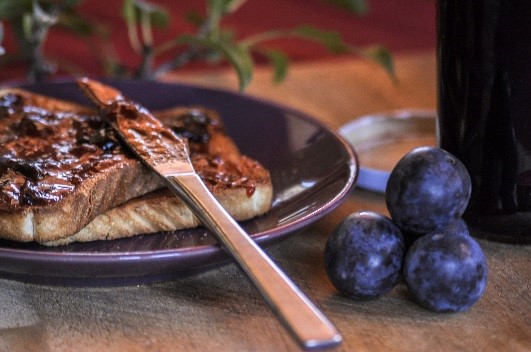
Plum jam
Recipe: Pit very ripe plums and place them in a wide pot. Bring to a boil and simmer until the juices evaporate. Let cool, for example overnight. The next day, bring to a boil again and cook over low heat until thickened. Be careful not to burn the jam; you can gently stir it with a wooden spoon. Let cool. Repeat the frying process and spoon the hot jam into sterilized jars. The jam should be very thick and stick to the spoon. Jam is high in calories, so use it in moderation. 1 tablespoon of jam (20g) provides about 45 kcal and can be used as a substitute for half a large apple (90g).
Author of the text: