
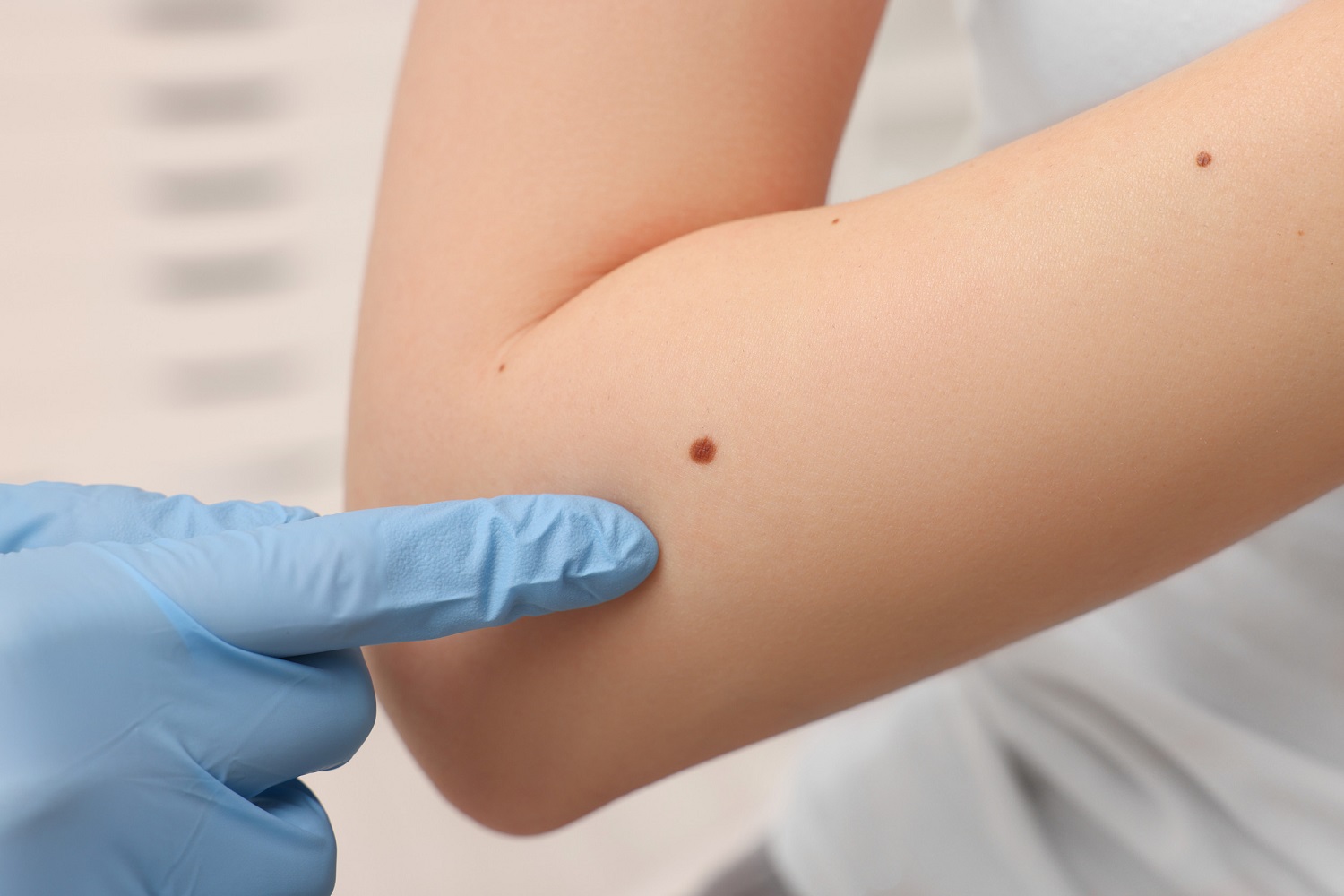
When to See a Dermatologist? Cancer Prevention – Protect Your Skin from Melanoma
Many of us put off visiting a dermatologist, dismissing skin lesions as harmless or temporary. However, some can be a sign of serious health problems, including melanoma, one of the most serious skin cancers. Early detection offers a chance for a full recovery, so it's important to know when to stop waiting and schedule an appointment with a dermatologist to ensure your health and safety.
What is skin melanoma?
Malignant melanoma is a cancer that originates from melanocytes—the pigment cells of the skin. Although it most commonly appears on the skin, it can also occur on mucous membranes, under the nails, or in the eye. Melanoma can develop on healthy skin or from an existing mole.
Risk factors for developing skin cancer
The most important factors that increase the risk of disease include:
- Excessive exposure to sun and UV radiation
- Using a solarium
- Fair complexion, prone to sunburn
- A large number of pigmented moles
- Melanoma in the family
- Sunburn in childhood
- Weakened immune system
What does melanoma look like? The ABCDE rule
Early detection of melanoma significantly increases the chances of recovery. The ABCDE in assessing suspicious skin lesions:
- A – Asymmetry – one half of the lesion is different from the other,
- B – Border – uneven, jagged, irregular edges,
- C – Color – various colors: brown, black, red, pink, white,
- D – Diameter – greater than 6 mm,
- E – Evolution (Evolving) – change in appearance, size, color over time.
If you notice similar symptoms , don't wait, see a dermatologist .
Skin cancer prevention – how to protect yourself?
Skin cancers, including melanoma, are among the most common and most easily detected cancers. Prevention is key:
- Regularly check your moles – on your own and with a dermatologist.
- Avoiding excessive sun exposure , especially between 11:00 a.m. and 3:00 p.m.
- Use sunscreen daily (minimum SPF 30), even on cloudy days.
- Wearing protective clothing , sunglasses and a hat in summer.
- Avoiding tanning beds , which significantly increases the risk of melanoma.
Early detection of skin lesions significantly increases the chances of complete recovery. Therefore, it's crucial to regularly monitor your skin and respond to any new or changing moles, such as changes in color, shape, or size.
Frequently asked questions (FAQ)
What does melanoma look like?
It's usually a dark, irregular skin lesion with varying colors and irregular edges. It may grow or bleed. The lesions can appear differently, but it's best not to try to diagnose yourself. Let a professional, a dermatologist, do it.
Does melanoma hurt?
In its early stages, it usually doesn't cause any pain. This makes it easy to miss.
Can melanoma occur in children?
Yes, although it's less common than in adults. Therefore, it's important to teach children to avoid prolonged exposure to the sun without proper protection and to regularly consult a dermatologist.
Where can I get my moles examined?
The Luxmed Medical Center's dermatology clinic specializes in the diagnosis and treatment of skin conditions such as melanoma. Patients can schedule dermatology consultations in Lublin and other locations outside of Lublin. Find out where »
The dermatology clinic also provides access to specialized tests, such as:
- dermatoscopy,
- mycological examination,
- laboratory tests,
- hair tests: elemental analysis or trichogram .
electrosurgery and dermatological cryosurgery procedures .
Don't ignore your skin
Melanoma is a skin cancer that can develop insidiously and rapidly. Therefore, it's important to take care of yourself and your loved ones now. Regular screenings, proper sun protection, and knowledge of the ABCDE rule can save lives .
👉 Get your moles checked today – it could be the most important decision of your life.
👉 Share this knowledge – you could save someone's life!