
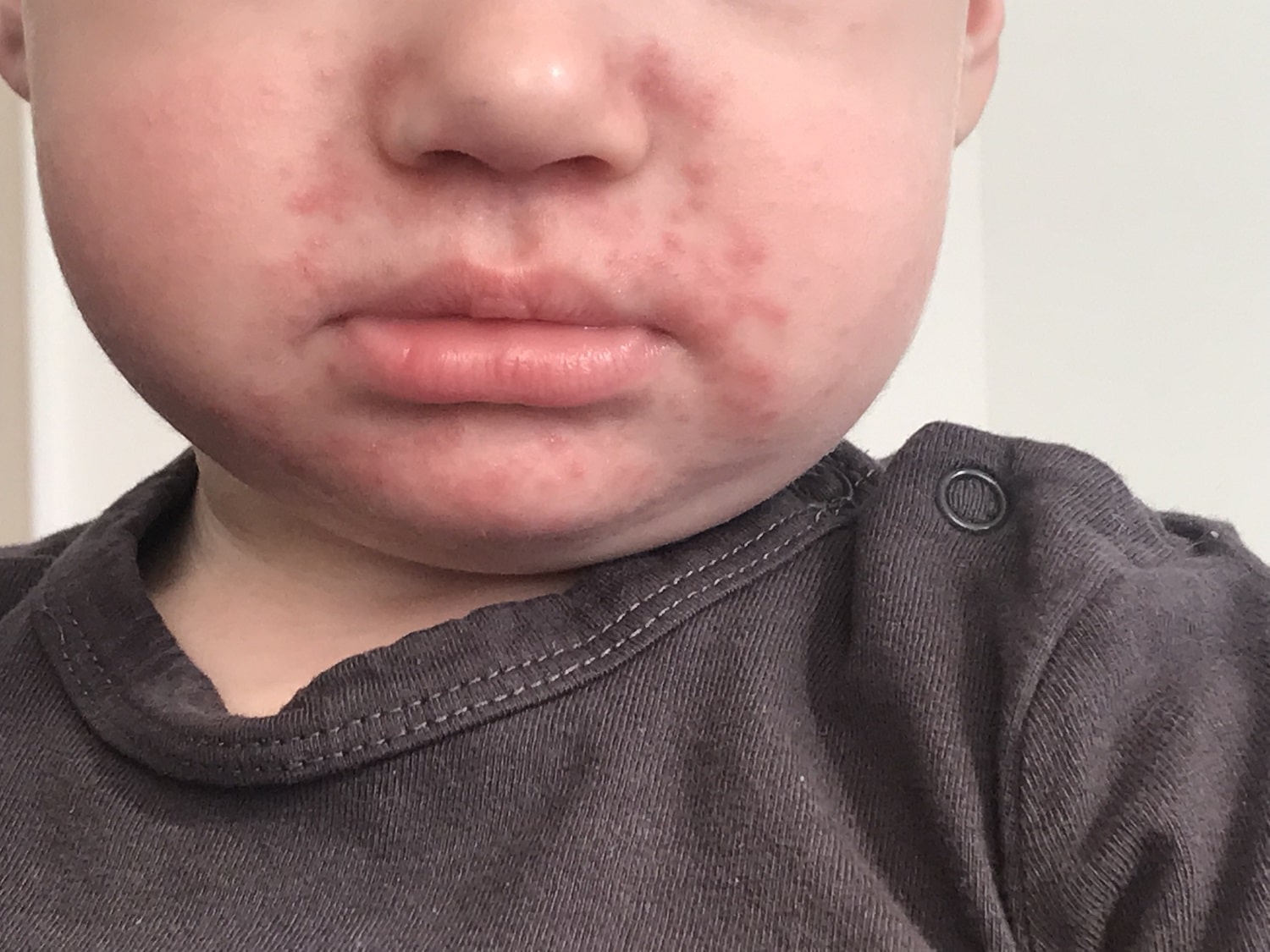
Perioral dermatitis
Perioral dermatitis is a common condition that can affect people of all ages and genders. At first glance, it resembles acne, although it is not. It is a significant dermatological and aesthetic problem.
dermatologist Joanna Nowak-Guzowska about the symptoms and treatment methods for adults and children .
The name of the disease suggests that lesions appear around the mouth. Is this really the case?
Perioral dermatitis ( dermatitis perioralis ) is a condition that presents on the skin as subtle, small erythematous papules or small vesicles. It is most commonly located around the mouth. In less common cases, the nasolabial folds, chin, cheeks, and forehead may also be affected. The disease most commonly affects women between 16 and 45 years of age, and is less common in men. However, 7% of all perioral dermatitis cases occur in children under 12 years of age.
What symptoms should worry us and prompt us to visit a dermatologist?
The skin lesions are unevenly grouped but symmetrical, confluent, and may take on the appearance of eczema with slight scaling. A rim of unaffected skin around the vermilion border is also typical. The lesions may be accompanied by itching and burning.
The disease is chronic and recurring. Is there any way to protect against it? What are its causes?
The causes of perioral inflammation are not fully understood. Genetic factors have been ruled out. There are certain triggers that significantly contribute to the appearance of skin lesions in these areas. In women, causes include substances in skincare and makeup products that irritate hair follicles and skin, contraceptive use, and hormonal imbalances. Women are significantly more susceptible to the condition, and flare-ups are observed during the premenstrual period. The condition can also occur in men who improperly remove their facial hair.
Other causes include the use of fluoride toothpastes, excessive exposure to sunlight, the use of topical moisturizers and lubricants, and chronic stress. Of particular importance in the development of perioral dermatosis is the use of preparations containing glucocorticosteroids in the form of ointments or creams applied directly to the facial skin.
How is perioral dermatitis treated?
Treatment primarily involves eliminating the factors that trigger and exacerbate the condition. Local glucocorticosteroids should be discontinued, irritating substances should be avoided, moisturizing and lubricating products (emollients) should be avoided, and excessive makeup should be avoided.
Local antibiotics are used for treatment.
Does perioral dermatitis also affect children?
Yes, children also get the disease. Perioral inflammation in children can be caused by inhaling glucocorticosteroids, taking inhaled glucocorticosteroids, frequently putting objects and hands in the mouth, and excessive salivation.
How to protect children from perioral dermatitis?
During the fall and winter, perioral dermatitis in children may flare up. This is due to the increased incidence and severity of upper respiratory tract infections, which in turn requires more frequent inhalation therapy. This is related not only to the inhalation itself but also to the overuse of steroid-based creams or ointments on these facial skin lesions. Topical glucocorticosteroids exacerbate the symptoms of dermatitis. It's important to remember that after nebulization, the child's mouth should be rinsed and the face washed, and topical steroid creams are contraindicated. If lesions appear, topical antibiotic treatment can be used. However, I encourage parents to pursue what's known as "zero therapy," meaning they don't apply any topical preparations to the face, but rather allow the skin lesions to exfoliate, which will allow them to heal spontaneously over time.
Why is a dermatological consultation necessary?
Sometimes, lesions around the mouth can be a symptom of other conditions, such as contact dermatitis, atopic dermatitis, or seborrheic dermatitis. Perioral lesions can also be a result of vitamin deficiencies or a symptom of bacterial or fungal infections. In these cases, they take on a different clinical presentation. Therefore, it's always worth consulting a dermatologist about conditions around the mouth.

Thank you for the interview