
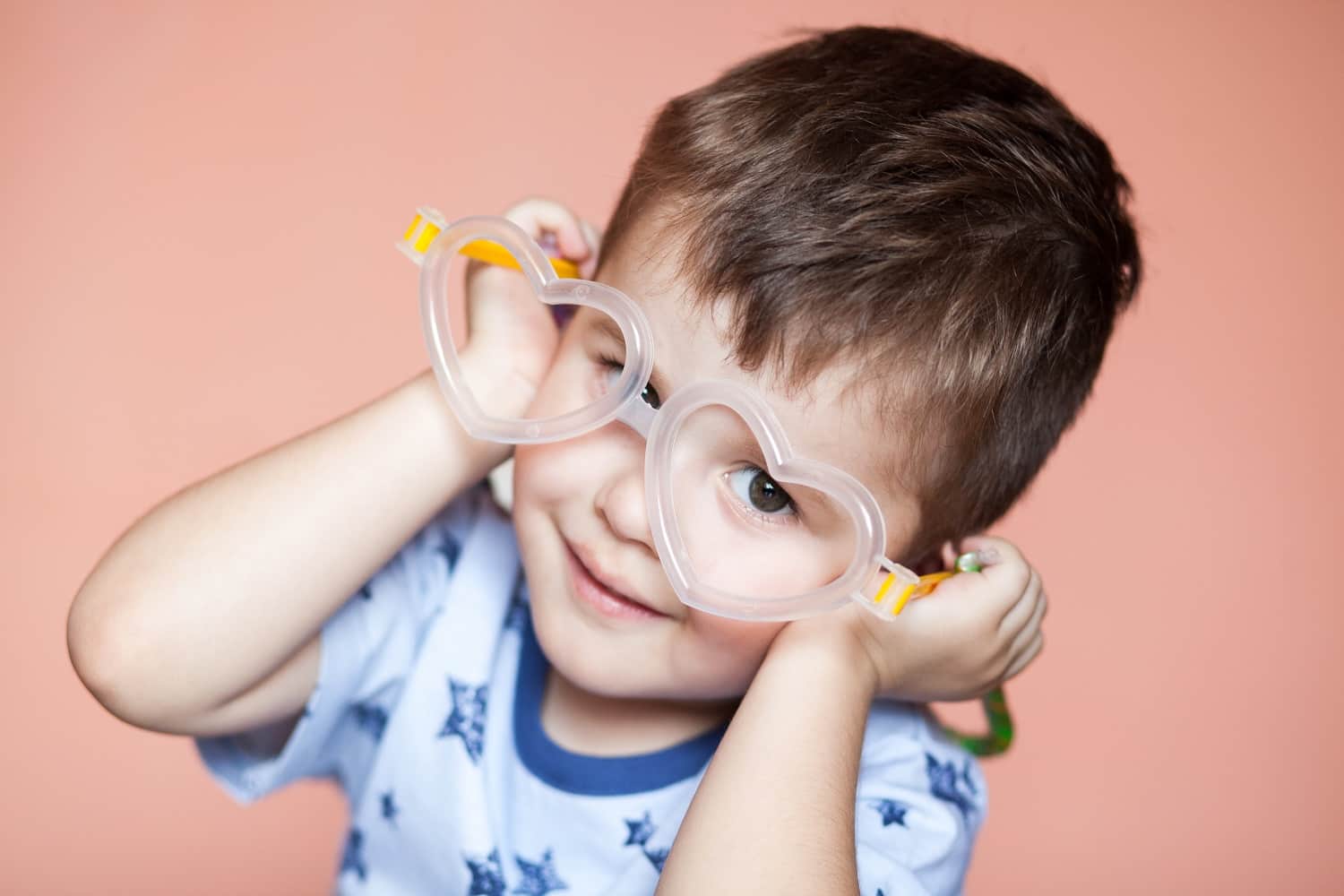
Pediatric Ophthalmologist: Eye Examinations for Children and Babies
Eye examinations are a key element in caring for children's visual health. Regular checkups with a specialist allow for early detection of any vision defects and eye-related health problems and the implementation of appropriate treatment. In today's world, where children are increasingly exposed to electronic screens at an earlier age, regular and comprehensive eye examinations are crucial.
We talk about eye examinations for children with ophthalmologist Dominika Nowakowska, MD, PhD.
What vision defects and eye diseases are most common in children?
The most common vision defects in children are myopia, hyperopia, and astigmatism. It should be emphasized that vision defects are not a disease. However, strabismus (strabismus) is the most common eye disease in children. Among refractive errors, myopia (also known as "minus") is the most common, causing difficulties with distance vision. Hyperopia (also known as "plus") and astigmatism (also known as "cylinders") can blur vision both near and far. Strabismus causes the eyes to not look in the same direction simultaneously. It can also impair binocular vision, meaning the ability of one eye to work with the other. It can also be accompanied by compensatory head posture, causing the child to tilt their head, which can lead to secondary disorders in the musculoskeletal system (neck and spine pain).
What symptoms should parents look out for? In older children, the symptoms seem obvious, but in younger children, not so much…
Indeed, it's the hardest for the youngest. A child won't say they have poor eyesight. Children, especially young ones, are primarily interested in what's within arm's reach, where their parents, toys, etc. It's important to watch out for squinting, rubbing, and poor eye positioning (when a child looks straight ahead without tilting their head). In older children, it's important to be alert for frequent headaches, fatigue during school activities (e.g., reading and writing), squinting, redness, or tearing. All of these symptoms should be discussed with an ophthalmologist.
It's good for an ophthalmologist to quickly diagnose a defect or more serious eye disease. What does a children's eye examination involve?
A complete ophthalmological examination involves checking visual acuity, including an objective refraction test using an autorefractometer. In children, it's important to perform this test after administering eye drops that numb (disable) accommodation—this provides information about the overall visual impairment. Examination of the structures of the anterior and posterior segments of the eye is also necessary. This is performed using a slit lamp. We also have an ophthalmoscope, which allows for a thorough examination of the fundus. This examination allows us to assess the condition of the retina, optic nerve, and blood vessels within the eye. This is extremely important because it allows for the detection of pathological changes, such as defects and diseases of the retina or optic nerve.
Are the tests painful? At what age can children undergo these tests?
Examinations performed with both the autorefractometer and the ophthalmoscope are painless and non-invasive. They are safe and well-tolerated by children. Both devices can be used for examinations in children from a very young age, even in infants.
How often should a child's eyesight be examined?
Eye screening for children is performed during regular checkups. However, if parents experience any concerning symptoms, they should consult an ophthalmologist about their child's eye health. Subsequent checkups are recommended every 6, 12, or 24 months, depending on the patient's condition. Prevention and early detection of potential problems allow for effective treatment and minimize the risk of more serious complications in the future.
Thank you for your conversation.
We perform vision tests with an autorefractometer or ophthalmoscope in young children
at the Luxmed CM ophthalmology offices in Lublin, at 4d Koncertowa Street.
Frequently asked questions – FAQ
When should the first visit to a pediatric ophthalmologist take place?
It's best to have your first eye exam as early as your baby's birth, especially if parents notice any disturbing symptoms or if there's a family history of vision problems. It's best to schedule an exam with your pediatrician or ophthalmologist.
What does a pediatric ophthalmologist do?
A pediatric ophthalmologist diagnoses and treats eye diseases and vision defects in children and infants. They assess, among other things, visual acuity, eye alignment, the fundus of the eye, the structure of the eyeball, and visual development.
What symptoms in a child require an ophthalmologist consultation?
It is worth seeing an ophthalmologist if your child squints, brings objects close to their face, tilts their head, frequently rubs their eyes, complains of a headache, has strabismus, watery eyes, red eyes, or has learning difficulties.
Can an infant have an eye exam?
Yes. Eye examinations can also be performed on infants. The ophthalmologist assesses reaction to light, eye position, eye movement, optical clarity, and other factors important for visual development.
What does a child's eye examination look like?
The examination depends on the child's age. It may include an assessment of visual acuity, eye alignment, pupillary reflexes, binocular vision, refractive error testing after eye drops, and an assessment of the anterior and posterior segments of the eye.
Does an eye examination for a child hurt?
An eye examination is usually painless. Your child may experience temporary discomfort when the eye drops are administered, and after the drops have dilated pupils and blurred near vision for several hours.
Why do you put drops in a child's eyes?
Drops that dilate the pupils and suppress accommodation help more accurately assess the visual defect and the fundus of the eye. They are especially important in children, as strong accommodation can conceal part of the defect.
How often should a child's eyesight be checked?
The frequency of checkups depends on age, symptoms, vision impairment, eye diseases, and ophthalmologist recommendations. It's worth having your eyes examined for preventative purposes, as well as whenever you notice any disturbing symptoms.