
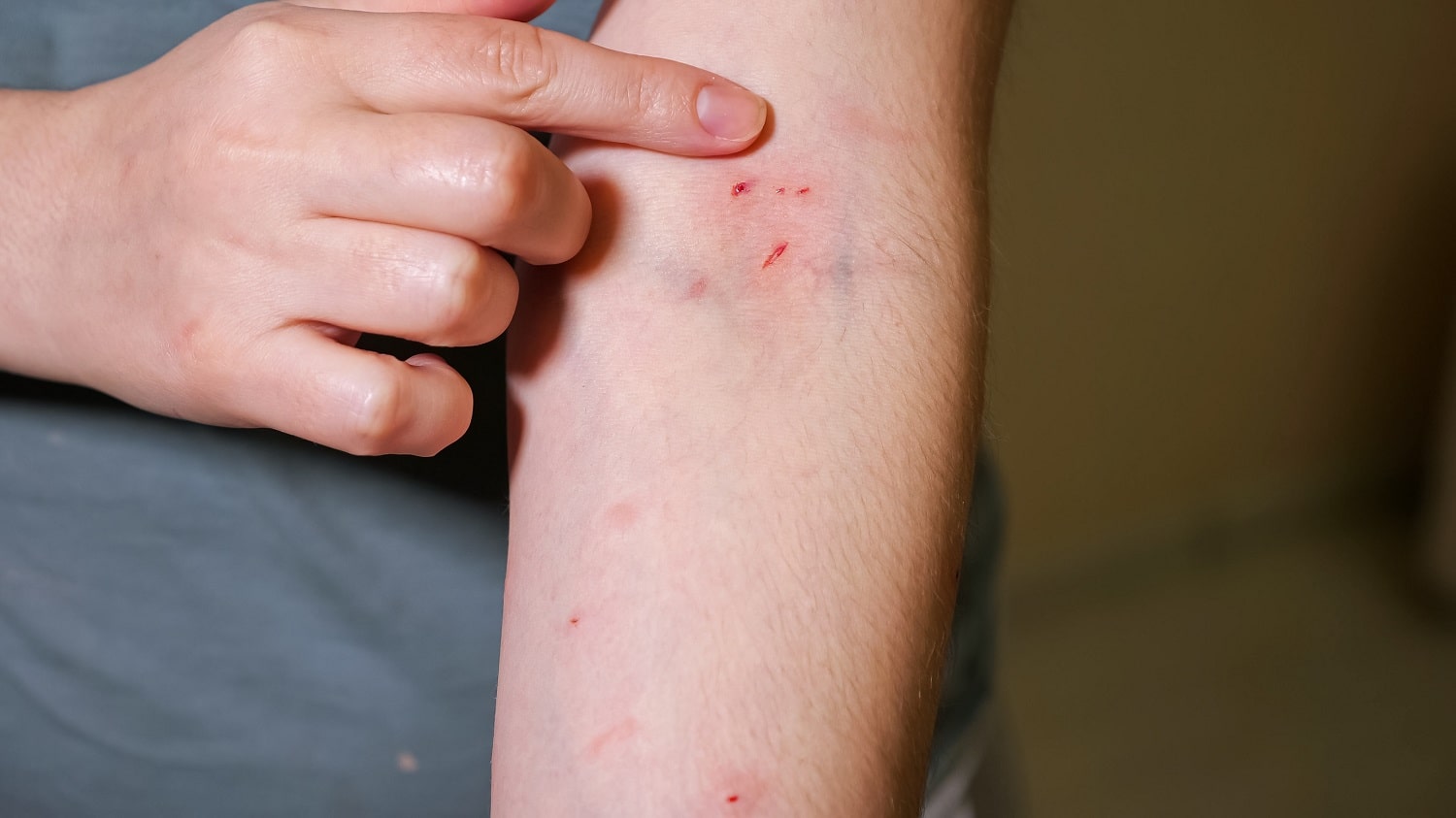
What about wound infection? What should we know about it?
When the weather encourages more outdoor activities, including gardening, minor wounds are common. A wound is susceptible to infection from the moment it forms. Pathogens in the air or soil, as well as microorganisms naturally occurring on our skin (e.g., staphylococci, streptococci), can infect the wound. Once infected, it will heal more slowly and difficultly, with the risk of generalized infection when the wound infection spreads to the tissues beneath the skin.
So, should every wound be monitored for infection? In this article, we answer the most important questions related to wound infection and its treatment.
How to recognize the symptoms of a wound infection?
An infected wound changes its appearance. The most characteristic symptoms include:
- no signs of wound healing,
- swelling around the injured area,
- redness of the wound and its surroundings, e.g. erythema or red welt,
- severe or increasing pain at the site of the injury, especially when touching the wound and its surroundings,
- increase in temperature around the wound,
- the appearance of purulent discharge or black blood from the wound,
- unpleasant odor from the wound,
- change in the appearance of the edges of the wound, e.g. turning the edges outwards.
Wound infection can also manifest as high fever. Any of the above-mentioned symptoms of wound infection should be an indication for consultation with a physician. One of the most dangerous consequences of a wound infection is generalized infection (e.g., sepsis), which poses a threat to the patient's health and life.
What factors contribute to wound infection?
It's important to be aware that certain circumstances can contribute to wound infection. These include:
- open and/or deep wound,
- presence of a foreign body in the wound,
- injury from a dirty object,
- injury caused by an animal bite,
- the occurrence of diseases such as type 1 or type 2 diabetes, anemia, renal failure, peripheral vascular disease, cancer,
- obesity,
- decreased immunity,
- taking steroids, immunosuppressants or chemotherapy,
- old age,
- poor personal hygiene.
How to treat a wound infection?
The first and most important step is an immediate consultation with a doctor. Your Lublin surgeon will assess the wound, clean it, and recommend appropriate treatment. There are no home remedies for treating a wound infection. Do not apply any ointments to the wound without a specialist's recommendation. Do not apply any ointments to the wound without a specialist's recommendation. Your doctor will assess the wound, clean it, and recommend appropriate treatment. If necessary, they will order an injection of tetanus toxoid. At home, ensure proper wound care, according to your doctor's instructions:
- changing dressings regularly,
- cleansing the injured area,
- use of medications to support the wound healing process.
How to prevent wound infection?
To reduce the risk of infection, follow a few simple rules. First and foremost, properly protect the injured skin and strictly adhere to hygiene rules. If skin damage occurs due to trauma, thoroughly wash the affected area, preferably under running water if possible, and apply a protective dressing. For deep cuts or lacerations, especially if contaminated, consult a doctor. It's also important to maintain a proper diet and hydrate the body, as malnutrition and low fluid intake can impede the healing process.
Sources of information:
*Guidelines for local treatment of non-infected wounds, wounds at risk of infection, and infected wounds – a review of available antimicrobial substances used in wound treatment. Recommendations of the Polish Wound Management Society. Termedia, available at: https://www.termedia.pl/Wytyczne-postepowania-miejscowego-w-ranach-niezakaowanych-zagrocych-infekcja-oraz-zakaowanych-przeglad-dostepnych-substancji-przeciwdrobnoustrojowych-stosowanych-w-leczeniu-ran-Zalecenia-Polskiego-Tow%2C153%2C41134%2C1%2C0.html
*² Wound – first aid, diagnosis and treatment. Practical Medicine, available at: https://www.mp.pl/pacjent/pierwsza_pomoc/165475,rana
Frequently asked questions – FAQ
What is a wound infection?
A wound infection is a condition in which microorganisms, most often bacteria, enter damaged tissue. This can impede healing and lead to increased inflammation.
What are the symptoms of a wound infection?
Alarming symptoms include increasing pain, redness, swelling, warming of the skin around the wound, purulent discharge, unpleasant odor, fever and deterioration of well-being.
When does a wound require medical consultation?
It is worth seeing a doctor if the wound is deep, extensive, very dirty, takes a long time to heal, there is pus, fever, increasing pain, swelling or redness spreading around the wound.
How to properly clean a wound?
The wound should be gently cleansed, any visible dirt removed, and an appropriate antiseptic applied. Before dressing the wound, it's a good idea to wash your hands thoroughly and use sterile dressings.
What not to do when you have a wound?
Don't touch the wound with dirty hands, pick at scabs, use indiscriminate products, or ignore signs of infection. Deep, heavily soiled, or worsening wounds shouldn't be treated solely with home remedies.
How to prevent wound infection?
It is important to clean the wound promptly, disinfect it, secure it with an appropriate dressing, change the dressing regularly, observe the site of injury and avoid contamination of the wound.
Is it necessary to check the tetanus vaccination status of a wound?
Yes, especially for deep, soil-soaked wounds caused by punctures, cuts, or bites. If in doubt, consult a doctor and check if your vaccinations are up to date.
How do you treat an infected wound?
Treatment depends on the type and severity of the infection. It may include wound cleansing, appropriate dressings, antiseptics, and in some cases, antibiotic therapy prescribed by a doctor.