
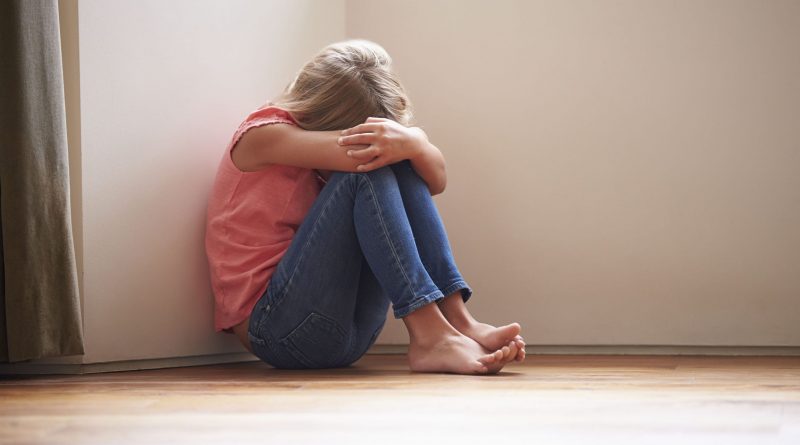
Depression in children
Depression in children. They rarely talk about their own affairs, are nervous, irritable, have learning difficulties, sometimes complain of headaches, and have a loss of appetite. Because the symptoms do not impair the child's functioning, they are often downplayed, and childhood depression often goes undiagnosed.
Experts warn that depressive disorders are affecting children at an increasingly younger age. The statistics are alarming. They report that major depression affects 1% of preschoolers, approximately 2% of school-age children, and nearly 8% of adolescents. Nearly 40% of primary school children feel they have no meaning in life, and nearly 30% have suicidal thoughts.
What are the symptoms of depression in a child?
Psychological literature describing childhood depression presents various aspects. It often manifests itself in a negative self-perception. Other symptoms may include frequent illnesses and various somatic complaints. Depression can manifest as isolation from peers, low mood, apathy, irritability, and slowed movement.
The child is unable to express their feelings or describe the problems they are experiencing. They won't say they're depressed or anxious, as such concepts are unfamiliar to them. Instead, they complain of feeling unwell, are apathetic, and avoid contact with others. They experience autonomic symptoms – heart palpitations, excessive sweating, abdominal pain, diarrhea alternating with constipation. They exhibit aversion to food and physical activity, and have sleep disorders.
Preschool children suffering from depression may experience delays or regression in their development, for example, they may be unable to perform tasks they previously mastered. The child's appearance is also characteristic: a sad facial expression and anxiety.
However, it's important to remember that similar symptoms can accompany serious physical illnesses, so they should first be ruled out. If your pediatrician doesn't identify any internal medical causes for your discomfort, it's worth consulting a child psychiatrist or psychologist.
Untreated depression lasts a long time—months or even years. It rarely resolves on its own. In teenagers, it can lead to risky behavior (alcohol, drugs) and even suicide attempts.
Where to look for the causes of depression in children?
The reasons are quite complex. The occurrence of depression in a child depends on their individual biological and psychological characteristics, as well as their environment – family relationships, peer relationships, relationships at school, etc.
When describing depression in children, specialists cite so-called endogenous depressions, meaning those that don't stem from specific life events. Young patients suffer from this condition as a result of biochemical dysfunction. A child with endogenous depression may be surrounded by love, live in a safe home, and have no problems at school, yet still feel unwell.
Another cause of depression in children is the social and societal environment. And it's not just that a child is worried about the family's financial situation, unemployment, or the uncertainty of the future. Rather, it's the atmosphere at home and the prevailing family relationships. When parents are upset and filled with negative emotions, it causes a child to lose their sense of support, security, and confidence.
School is also stressful for many children. We're not talking about tests or a demanding teacher, of course, as such fears have existed as long as schooling itself. Rather, we should focus on the ubiquitous competition, or as it's now called, the "rat race." From a young age, children are expected to compete and outperform their competitors. If they are less talented and unable to meet the standards, they develop anxiety, frustration, and resentment. They blame themselves for letting their parents down, which leads to depressive disorders.
Confirmation and treatment of depression in children
Confirming the diagnosis of depression in a child is achieved through psychological tests developed specifically for specific age groups. These tests allow for the assessment of the problem and the development of appropriate treatment. The treatment model for depression in children and adolescents should be holistic, taking into account the child's development and the family life cycle. In addition to individual psychotherapy and family therapy, medication may also be included.
The task of parents and adults is to help young people find happiness and self-satisfaction. Show them that life is worth living and pursuing their goals. If necessary, this can be achieved with the assistance of a specialist.
Parents who notice disturbing symptoms in their children's behavior are invited to consult the psychological and psychiatric clinic at CM Luxmed.
Frequently asked questions – FAQ
What is depression in children?
Childhood depression is a mood disorder that can affect emotions, behavior, sleep, appetite, learning, and relationships. Symptoms in children may be less obvious than in adults.
What are the symptoms of depression in a child?
Symptoms may include sadness, apathy, irritability, isolation from peers, difficulty learning, sleep disturbances, loss of appetite, reluctance to be active, and complaints of stomach aches, headaches, or feeling unwell.
Does a depressed child always say they are sad?
No. Children often struggle to name their emotions and may not express sadness directly. Instead, they may be irritable, withdrawn, apathetic, or complain of physical ailments.
What might depression look like in a preschooler?
Younger children may exhibit a sad facial expression, anxiety, withdrawal, lack of desire to play, sleep disturbances, reluctance to eat, and developmental regression, such as loss of previously acquired skills.
What are the causes of depression in children?
The causes of depression in children are complex. They may be related to biological and psychological factors, family relationships, school situations, stress, peer pressure, or difficulties with peer relationships.
Will depression in a child go away on its own?
Depression in children shouldn't be taken lightly. Left untreated, it can persist for a long time and impact a child's development, learning, relationships, and safety, so it's worth seeking professional help.
How is depression diagnosed in a child?
Diagnosis includes a consultation with a specialist, an assessment of the child's symptoms and functioning, and sometimes age-appropriate psychological testing. It's also important to rule out possible somatic causes of the child's discomfort.
When should you see a child psychologist or psychiatrist?
Consultation is recommended when a child is sad, irritable, withdrawn for a long time, loses interest, has problems with sleep, learning, appetite, complains of frequent physical ailments, or has thoughts of death or self-harm.