
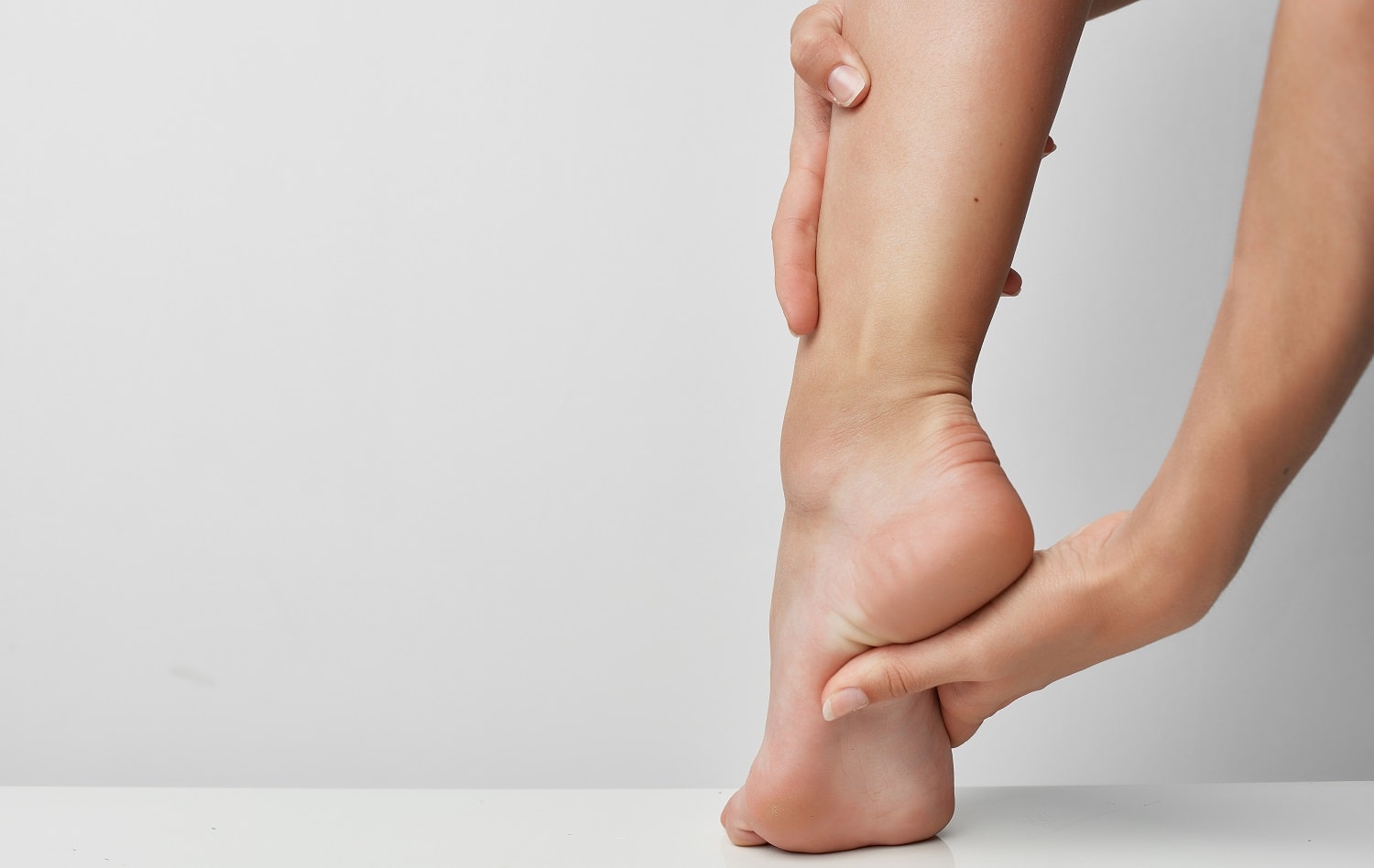
Wart, callus, corn. How to tell the difference and how to treat it?
Unfortunately, the summer months are a prime time for skin problems on the feet. High temperatures, sweaty feet, tight footwear, and contact with crowds in swimming pools during vacations all contribute to the development of bothersome foot lesions. And these can make life miserable…
In this article, we explain why the skin on your feet is often problematic, how to prevent changes such as warts and calluses, and how to react when they appear
Where do foot problems come from?
Foot skin problems are primarily caused by the structure of the skin, which is thicker on the feet and lacks sebaceous glands, but has a large number of sweat glands. This condition contributes to the development of various foot conditions and skin problems. Wearing uncomfortable footwear and improper foot care are also important factors. These factors can lead to changes that can progress from mild and almost unnoticeable to painful and difficult to treat.
How do calluses and corns form?
Corns, calluses, and other bothersome skin lesions on the feet result from prolonged pressure and friction, or microtrauma. They primarily affect adults (children rarely develop these lesions). Women, the elderly, and the obese are particularly susceptible.
for the development of skin problems :
- abnormal anatomical structure of the feet, i.e. flat feet, hallux valgus,
- poorly fitted, too tight and narrow footwear,
- wearing high-heeled shoes,
- wearing shoes with thin soles,
- putting on shoes on bare feet,
- long-term work in a standing position,
- abnormal gait,
- insufficient blood supply to the skin.
Wart or corn?
Distinguishing these skin lesions isn't easy. They all look similar and cause pain. Therefore, it's important to know what a wart is and how to distinguish a callus from a corn.
Wart
- It is the common name for a viral wart and is caused by the human papillomavirus (HPV), which is transmitted by touch;
- It takes the form of a papular skin lesion with a white or yellowish color, most often flat, and occurs on the soles of the feet (but also on the palms of the hands and other parts of the body), in the form of single or clustered thickenings;
- You can become infected by using public bathrooms in swimming pools, saunas, fitness clubs, and locker rooms;
- It cannot be cut, scratched or squeezed, as this can lead to auto-infection.
Imprint
- It appears as yellowish patches of keratinized skin, under which a keratinous plug is located, very often it is raised above the level of the epidermis;
- It is most often located on the sides of the toes, above the heel, on the instep and the top of the toes, i.e. in places where the skin comes into contact with the inside of an ill-fitting, tight shoe;
- For treatment, salicylic acid-based ointments, zinc ointment, and hot softening baths are used.
Callus
- It appears as large, yellowish (or brown) patches of thickened skin with a circular shape;
- It is most often located on the soles of the feet, as a defense mechanism against high and long-lasting pressure;
- It is usually about 2 cm in diameter and the surrounding tissue is red;
- It is characterized by a strong burning sensation at the site of the lesion (like stepping on hot coals);
- It may be a consequence of diseases such as rheumatoid arthritis, heel spurs, or flat feet.
How to treat skin lesions on the feet?
Treatment of corns and calluses
A good place to start is by identifying the source of the callus. Often, relief can be found by replacing uncomfortable footwear with well-fitting, soft shoes. Troublesome corns and calluses can be treated with home remedies. At home, you can try soaking your feet in warm water with salt or herbs, applying aloe vera dressings or nettle infusions. However, pharmacy exfoliating products provide quick relief. Creams, ointments, lotions, and plasters with urea, salicylic acid, and lactic acid, varying in composition, soften the calloused layer of the epidermis. Good corn plasters will minimize pain while walking. They reduce pressure and protect the callus from abrasion, which can occur when wearing shoes. They may also contain active ingredients such as salicylic acid or lactic acid, which have a beneficial effect on the problem, primarily by softening and moisturizing the skin.
Your pharmacist will help you choose the right medication for you.
Treatment of warts (verrucas)
Wart treatment can take a long time, so it's worth taking the time to heal. Products containing salicylic acid that soften and exfoliate calloused skin can help, as can cryosurgery—freezing or electrosurgery.
If the condition recurs or persists for too long, it is recommended to consult a dermatologist or podiatrist.
How to prevent skin problems on your feet?
The best way to avoid unwanted skin changes, discomfort, or pain is proper prevention and proper foot care. To heal warts and calluses more quickly and effectively, keep your feet dry and use products designed for daily care. Practice good hygiene and caution when using swimming pools and saunas. Wear only well-fitting, comfortable, and soft footwear.
The key to foot health is daily care. Regular foot care improves elasticity, regenerates, and prevents unpleasant odor. It prevents the skin from hardening and cracking. Well-groomed feet improve our well-being and appearance, and proper care can even improve circulation and alleviate fatigue.
Frequently asked questions – FAQ
What is the difference between a wart, a callus, and a corn?
A wart is a viral lesion caused by HPV, while a callus and corn are most often caused by pressure or friction. They differ in appearance, cause, and treatment.
What is a wart?
A wart, or verruca, is a skin lesion caused by an HPV infection. It can be painful on the feet, especially when walking, and often resembles a calloused bump.
What is a callus?
A callus is a thickening of the stratum corneum of the epidermis that usually develops from prolonged pressure or friction. It most often occurs on the soles of the feet and can cause discomfort when walking.
What is a print?
A corn is a circumscribed, painful skin callus that often has a hard core that presses on deeper tissues. It can appear on the toes, between the toes, or on the sole of the foot.
How to distinguish a wart from a corn?
A wart may have an uneven surface and small dark dots, and the pain is often worse with lateral pressure. A corn usually has a distinct core and hurts with direct pressure from above.
What causes calluses and corns?
The most common causes are chronic pressure, friction, ill-fitting footwear, foot deformities, incorrect toe positioning, excessive strain on selected areas and lack of proper foot skin care.
How are warts, calluses and corns treated?
Treatment depends on the type of lesion. Warts may require antiviral treatment or surgery, while calluses and corns are usually removed mechanically and the cause of the pressure or friction corrected.
When should you see a podiatrist or doctor?
Consultation is recommended if the lesion is painful, enlarges, recurs, bleeds, makes walking difficult, or if it's unclear whether it's a wart, callus, or corn. People with diabetes should exercise particular caution.