
Giardiasis – symptoms and treatment
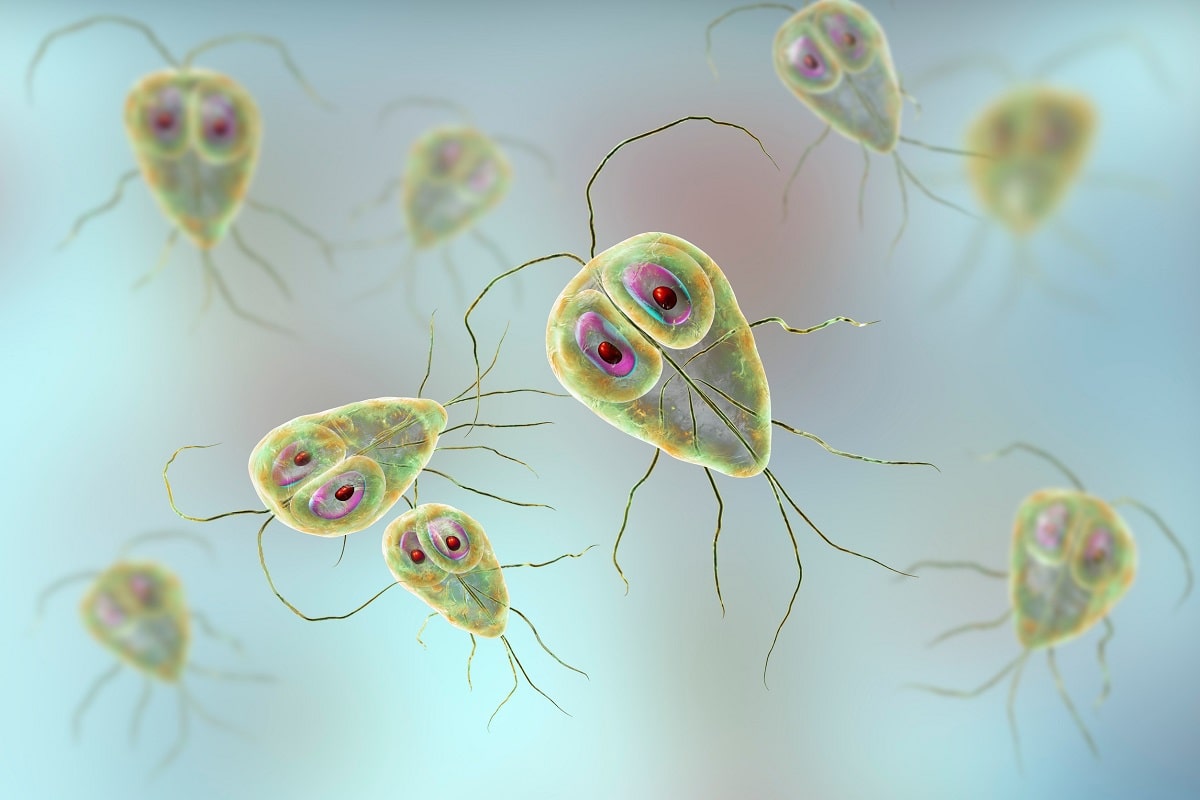
We're hearing about it more and more often. It's an infectious, parasitic disease of the gastrointestinal tract that's often asymptomatic. It's caused by microscopic protozoa calledGiardia lamblia. The infection can be asymptomatic, but it can also cause unpleasant symptoms. Giardiasis most often affects children, but adults also struggle with this problem, often unaware of the cause.
We talk with family medicine doctor Magdalena Szabała about the symptoms of giardiasis (also known as pharyngitis), its course, treatment and prevention.
How can you become infected with giardiasis?
The infection spreads most rapidly through the oral route, primarily through contaminated hands or water, both drinking and recreational (i.e., swimming pools, rivers, and lakes). A less common source of infection is food contaminated with protozoan cysts. The incubation period is usually 7 days (range: 3 to 20) from the moment of infection. During this time, an infected person can infect others they come into contact with. The cysts are resistant to chlorine and remain infectious in a humid and cool environment for up to several months. Travelers to tropical countries are at risk of infection. Poor sanitary conditions, drinking water from rivers, streams, and lakes, anal-oral sex, malnutrition, and emaciation also increase the risk. Working with young children, for example, in a daycare or preschool, is also a risk factor.
Giardiasis can be asymptomatic. Why does it become severe in some people?
In most cases, the infection is asymptomatic and resolves spontaneously. If symptoms occur, they depend on the individual characteristics of the patient and the number of cysts ingested.
What symptoms of infection should worry us and prompt us to see a doctor?
Symptoms of the disease can vary in severity. They most often include:
- diarrhea (watery, foul-smelling),
- crampy pain in the upper abdomen (most often after eating),
- abdominal distension,
- nausea,
- weakness,
- loss of appetite,
- weight loss,
- less frequently: vomiting and fever
and indicate an acute course of infection. Following this (or completely independently), chronic giardiasis (so-called steatorrhea) may develop . Its symptoms are similar to those of the acute phase of the disease, but are milder and may recur periodically:
- loose stools or diarrhea,
- colicky abdominal pain,
- flatulence,
- weight loss,
- weakness.
Infection is very dangerous in children because in the short term it can lead to the development of serious complications, e.g. dehydration, electrolyte disturbances, and in the long term – malnutrition and growth retardation.
You should also be alert to so-called atypical symptoms, which may include: hives, lactose intolerance (secondary), inflammation of the bile ducts and gallbladder, and reactive arthritis.
If diarrhea, abdominal pain, bloating, nausea, weakness, or weight loss persist or recur, it is worth consulting a family doctor in Lublin. The specialist will assess the symptoms, order appropriate tests, and if giardiasis is confirmed, select the appropriate treatment.
Is giardiasis difficult to diagnose? What tests should be performed?
If giardiasis is suspected based on symptoms, the doctor will refer the patient for tests to identify the parasite. This will certainly include a complete blood count with a smear and a stool test for cysts. A test detecting Giardia antigen in stool (ELISA, immunofluorescence test) may be helpful. Parasite DNA can also be detected in stool using PCR.
How can we prevent giardiasis?
The basic prevention is compliance with sanitary and hygiene standards. High temperatures kill parasites, so hygiene when handling food is crucial. It is recommended to avoid foods from unknown sources and drinking water of unknown origin, as well as water from streams, rivers, and lakes. People with giardiasis should avoid swimming during the illness and for two weeks after symptoms subside. Diagnostic testing should be considered if risk factors are present.
Thank you for the interview
Frequently asked questions – FAQ
What is giardiasis?
Giardiasis, also known as giardiasis, is an infectious parasitic disease of the gastrointestinal tract. It is caused by the microscopic protozoan Giardia lamblia.
How can you get infected with giardiasis?
Infection most often occurs through ingestion, through contaminated hands, water, or food. Recreational water, such as swimming pools, rivers, or lakes, can also be a source of infection.
Can giardiasis be asymptomatic?
Yes. In many people, giardiasis can be asymptomatic and resolve spontaneously. If symptoms do occur, their severity depends on factors such as the body's immune system and the number of parasite cysts ingested.
What are the symptoms of giardiasis?
Symptoms of giardiasis can include watery, foul-smelling diarrhea, abdominal pain, bloating, nausea, weakness, loss of appetite, and weight loss. Less commonly, vomiting or fever may occur.
When should you see a doctor?
It's worth seeing a doctor if diarrhea, abdominal pain, bloating, nausea, weakness, or weight loss persist or recur. Consultation is especially important for children, in whom infection can lead to dehydration more quickly.
What tests are performed when giardiasis is suspected?
Diagnosis of giardiasis includes, among other things, stool testing for the presence of parasite cysts. Tests detecting Giardia antigen in stool and PCR testing may also be helpful.
For whom is giardiasis particularly dangerous?
Giardiasis can be particularly dangerous for children, as it can lead to dehydration, electrolyte imbalances, malnutrition, and stunted growth. People who are weakened or malnourished should also exercise greater caution.
How to prevent giardiasis?
The basis of prevention is hand hygiene, thorough food washing, and avoiding drinking water from unsafe sources, such as rivers, lakes, and streams. Sick people should avoid swimming during the illness and for approximately two weeks after symptoms subside.