
Type I or II diabetes?
We still know too little about diabetes, even though we hear about it almost daily. We think it doesn't affect us and will never happen to us. Is it? Does our daily diet and lifestyle adequately meet our body's needs? Yet the stakes are high. Many people with diabetes die prematurely due to the serious complications this disease brings. Poorly treated diabetes affects various organs and body systems, which is why diabetes education is so important.
We talked about diabetes, insulin administration, and sugar control with a specialist in diabetes nursing, Ms. Alina Linkiewicz.
How to recognize diabetes and what symptoms should worry us?
"The most common symptom of the disease is excessive thirst, without a valid reason. Drinking several liters of fluids a day and becoming dehydrated may indicate the development of diabetes. Other signs of diabetic problems include lethargy, lack of fitness, and easy fatigue, which may be due to electrolyte imbalances. Inflammation of the urinary tract and genital area is also characteristic. This is caused by urine containing a large amount of glucose, which provides an excellent breeding ground for bacteria.".
Observing any alarming changes should prompt a prompt visit to the doctor. The condition can be confirmed with a blood and urine test for sugar, and further treatment and monitoring should be undertaken under the supervision of a diabetologist in Lublin. If blood glucose levels are higher than 200 mg/dl at any time of day, and the fasting result is above 125 mg/dl, diabetes can be diagnosed.
Type I diabetes
Type I diabetes (insulin-dependent) most often begins in childhood or adolescence, although cases can occur at any age.
It is an autoimmune disease that involves the destruction of insulin-producing cells in the pancreas. From the onset of the disease, insulin deficiency occurs.
Symptoms include frequent urination, increased thirst, weight loss despite a large appetite, drowsiness, weakness, and nausea. Sometimes, it progresses so rapidly that it leads to a diabetic coma.
From the outset, treatment involves administering insulin. The patient can essentially eat anything, but must adjust the dose accordingly. Unfortunately, this requires considerable discipline and monitoring blood sugar levels several times a day.
Type II diabetes
Type II diabetes occurs mainly in adults, although in recent years, cases among children have become increasingly concerning.
The disease is caused by genetic and environmental factors, and is often associated with obesity. The disease is not caused by a lack of insulin, but rather by its improper action in tissues (known as insulin resistance), which leads to elevated blood glucose levels.
The early stages of type 2 diabetes are easy to miss. For many years, glucose levels may remain slightly elevated, and only a blood test can reveal abnormalities. Unfortunately, during this asymptomatic period, changes in the blood vessels occur, promoting atherosclerosis. Complications can sometimes precede the diagnosis of diabetes.
Treatment of type II diabetes is based on healthy, regular meals that limit simple sugars and animal fats.
Can you function normally with diabetes, work, participate in various forms of sports activities, etc.?
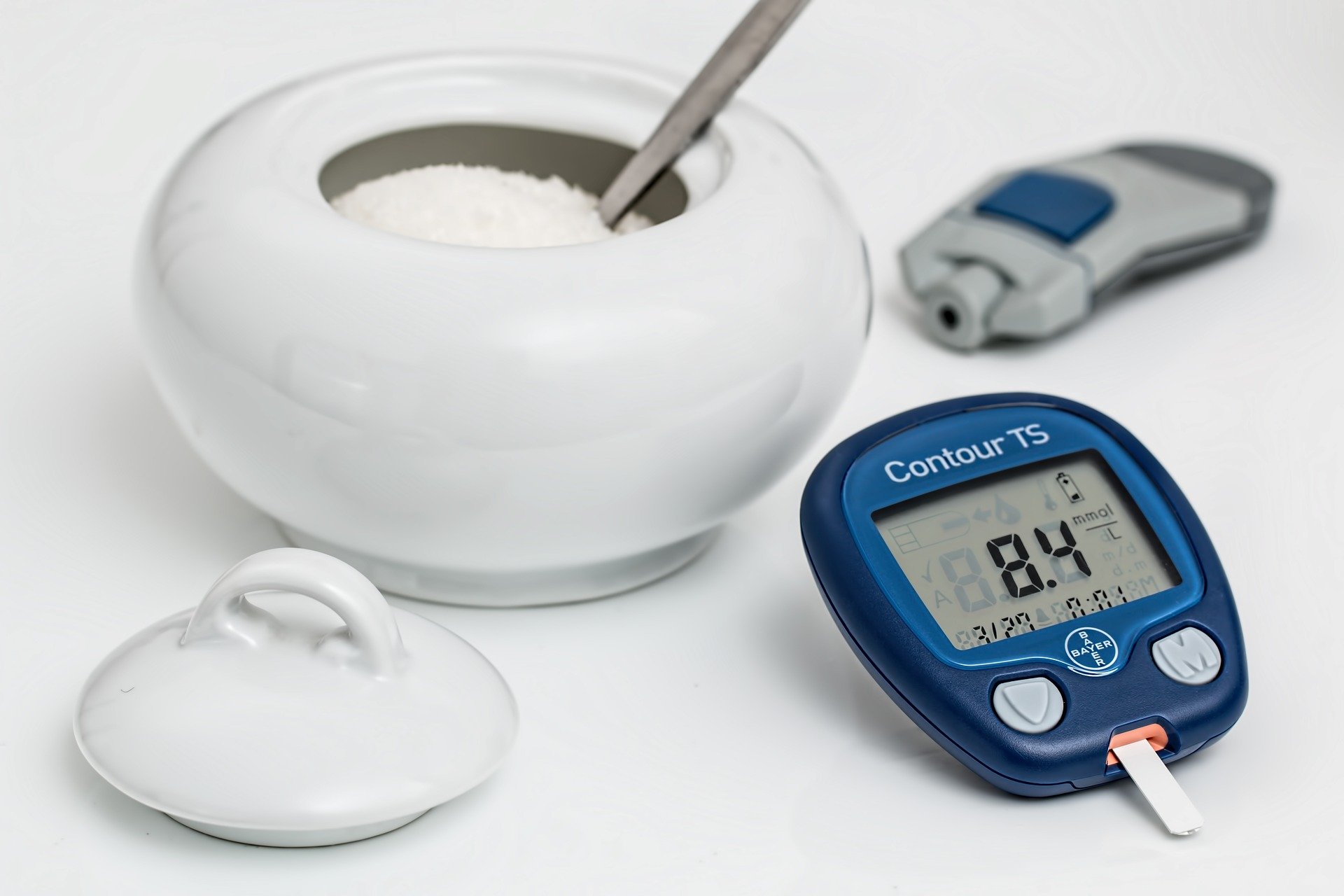
"That's our main concern. A patient who learns they have diabetes must learn to live with the disease. It's known that prolonged high blood glucose levels lead to, among other things, damage to certain tissues and organs. Therefore, we must teach the patient self-monitoring skills – measuring blood glucose levels with a glucometer and, in the case of insulin therapy, dosing the medication based on blood sugar levels. Insulin cannot be administered orally, but only subcutaneously. Insulin vials are designed for "injectors," which allow for self-dosing and administration of insulin. The dose can be adjusted depending on pre-meal blood sugar levels and the type of physical activity.".
What diet for diabetes and what about physical exercise…
"Contrary to appearances, a diabetic diet isn't just about eliminating sugar. It includes a range of recommendations regarding the timing and quality of meals. It should be tailored to each patient individually, taking into account their age, gender, weight, and type of treatment (insulin therapy or pharmacotherapy).
Overweight individuals will, of course, be prescribed a diet that limits calorie intake and leads to weight loss. However, it's important to remember that restrictive diets or fasting are not recommended for people with diabetes. In some cases (type 1 diabetes), malnutrition may occur. In such cases, a higher-energy diet is recommended.
An important principle of the diet is regular meals, which should be consumed every three hours (five meals a day). The diet should be well-balanced, meaning it should contain the right nutrients—protein, fat, and carbohydrates. Eating animal fats and large amounts of red meat is not recommended. People with diabetes should, of course, avoid sugar, and it's best to completely avoid alcohol.
Physical activity also has an invaluable impact on diabetes management. Properly dosed exercise lowers blood glucose levels, reduces blood pressure, lowers the risk of heart attack and stroke, and reduces the body's insulin requirements. Physical activity should be tailored to the patient's overall health, fitness level, and exercise tolerance. Strength training is not recommended, but cycling, jogging, swimming, and brisk walking are recommended. However, it's important to consult a doctor first, who will recommend the appropriate insulin dosage before any planned exercise. This is to avoid hypoglycemia, a sudden drop in blood sugar, which can even result in loss of consciousness.
In all aspects of diabetes patient education, it's crucial to convince them that they're not alone, that there are many people and specialists offering help, and that it's possible to live a normal life with the disease. It's not easy, but it's entirely possible with the right collaboration. Consult a specialist for free.
Frequently asked questions – FAQ
What symptoms may suggest diabetes?
Diabetes may be suggested by, among other things, increased thirst, frequent urination, drowsiness, weakness, rapid fatigue, weight loss, recurrent urinary tract infections, and inflammation of the genital area.
How can diabetes be confirmed?
Diabetes is diagnosed based on laboratory tests, primarily blood glucose levels. Your doctor may also recommend a urine test, an oral glucose tolerance test, or other monitoring tests.
How is type 1 diabetes different from type 2 diabetes?
Type 1 diabetes usually has an autoimmune cause and is associated with insulin deficiency. Type 2 diabetes most often develops gradually and is associated with insulin resistance, or the body's inability to properly use insulin.
Why is type 2 diabetes easy to miss?
Type 2 diabetes may not produce any obvious symptoms for a long time. Abnormalities are often detected only by a blood test, so regular preventive checkups are important, especially for people who are overweight, obese, or have a family history of the condition.
How is diabetes treated?
Diabetes treatment depends on the type of diabetes, test results, and the patient's health status. It may include dietary changes, regular physical activity, self-monitoring of blood glucose, oral medications, or insulin therapy.
Why is self-management in diabetes important?
Self-monitoring helps maintain healthy blood glucose levels and reduce the risk of complications. Regular glucose monitoring and adherence to your doctor's recommendations regarding diet, medication, and activity are important.
What diet is recommended for diabetes?
A diabetes diet should be regular, well-balanced, and tailored to the patient. It's important to limit simple sugars, control carbohydrate intake, choose foods with higher nutritional quality, and avoid excess animal fats.
Does physical activity help with diabetes?
Yes. Regular physical activity helps control blood glucose levels, supports weight loss, and has a beneficial effect on the circulatory system. It's best to consult your doctor about the type and intensity of exercise, especially if you're on insulin therapy.